How Seasonal Employment Affects Wage and Hour Laws in California


Understanding how seasonal employment affects wage and hour laws in California is crucial for both employers and employees. With its diverse economy, California attracts a wide range of seasonal workers, from agricultural laborers to retail staff during holiday peaks. These jobs not only offer opportunities but also come with specific legal considerations.
What is Seasonal Employment?
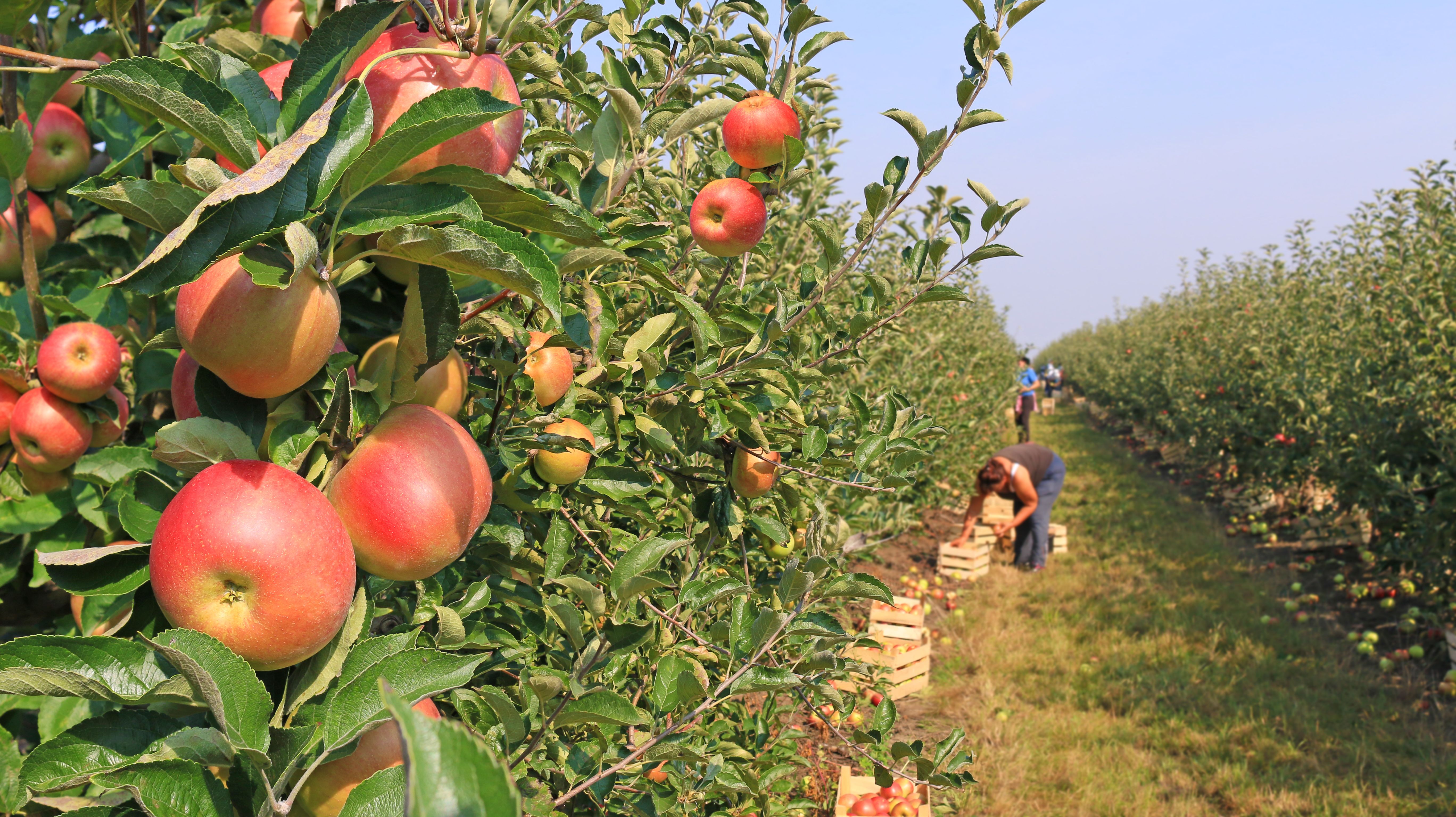
Seasonal employment refers to jobs that are tied to a specific season or time of year. These positions are common in industries like agriculture, tourism, and retail, where demand fluctuates. While they offer temporary work, the laws governing them ensure that workers' rights are protected.
California has stringent laws that apply to all workers, including those in seasonal roles. It's crucial for employers to understand these laws to avoid legal pitfalls and maintain fair labor practices.
Wage Laws for Seasonal Workers
In California, seasonal workers are entitled to the same minimum wage as regular employees. As of 2023, the state’s minimum wage is $15.50 per hour, though some cities may have higher rates. Employers must comply with local wage ordinances and ensure that all workers receive fair compensation.
Overtime pay is another critical aspect. Seasonal employees are eligible for overtime when they work more than 8 hours in a day or 40 hours in a week. This rule applies to almost all industries, ensuring that workers are compensated for extra labor.
Exemptions and Special Cases
While most seasonal workers are covered by standard wage laws, there are exceptions. For example, certain agricultural workers might be subject to different overtime rules. Employers should verify the specific regulations that apply to their industry to ensure compliance.

Hour Laws and Break Requirements
California's hour laws mandate specific break periods for all employees, including those in seasonal roles. Workers are entitled to a 30-minute meal break for shifts over 5 hours and a 10-minute rest break for every 4 hours worked. These breaks are crucial for maintaining worker health and productivity.
Employers must ensure that these breaks are provided and documented appropriately. Failure to comply can result in penalties and legal challenges, affecting the business's reputation and finances.
Flexible Scheduling
Due to the nature of seasonal work, flexible scheduling is often necessary. However, this flexibility must still adhere to labor laws. Employers should communicate clearly with workers about their schedules and any changes, maintaining transparency and trust.

Conclusion
Seasonal employment offers valuable opportunities but comes with responsibilities for both employers and employees. By understanding and adhering to California's wage and hour laws, businesses can create a fair and lawful workplace. This not only protects workers but also fosters a positive work environment, essential for business success.
Staying informed about legal requirements and maintaining open communication with employees will help navigate the complexities of seasonal employment, ensuring compliance and fairness in every season.